¡7° necesita la ayuda de todos!
Los estudiantes de séptimo van a participar en la Energy Race del Colegio Ciedi y necesitan materiales para poder construir su carro.
Conoce aquí el proyecto y lo que necesitan contado por ellos mismos.
Escriban a Edna Beltrán profesora de ciencias:
erbeltran@colegiotilata.edu.co
¡7° necesita la ayuda de todos!
Los estudiantes de séptimo van a participar en la Energy Race del Colegio Ciedi y necesitan materiales para poder construir su carro.
Conoce aquí el proyecto y lo que necesitan contado por ellos mismos.
Escriban a Edna Beltrán profesora de ciencias:
erbeltran@colegiotilata.edu.co
Fechas de cierre
A continuación, compartimos con ustedes las fechas claves de nuestro cierre de año y las del inicio del año escolar entrante, para que puedan organizarse con anticipación.
Así vivimos…
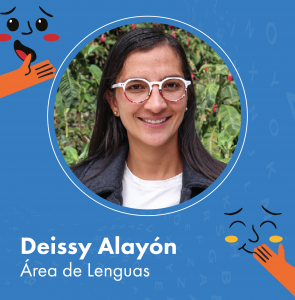
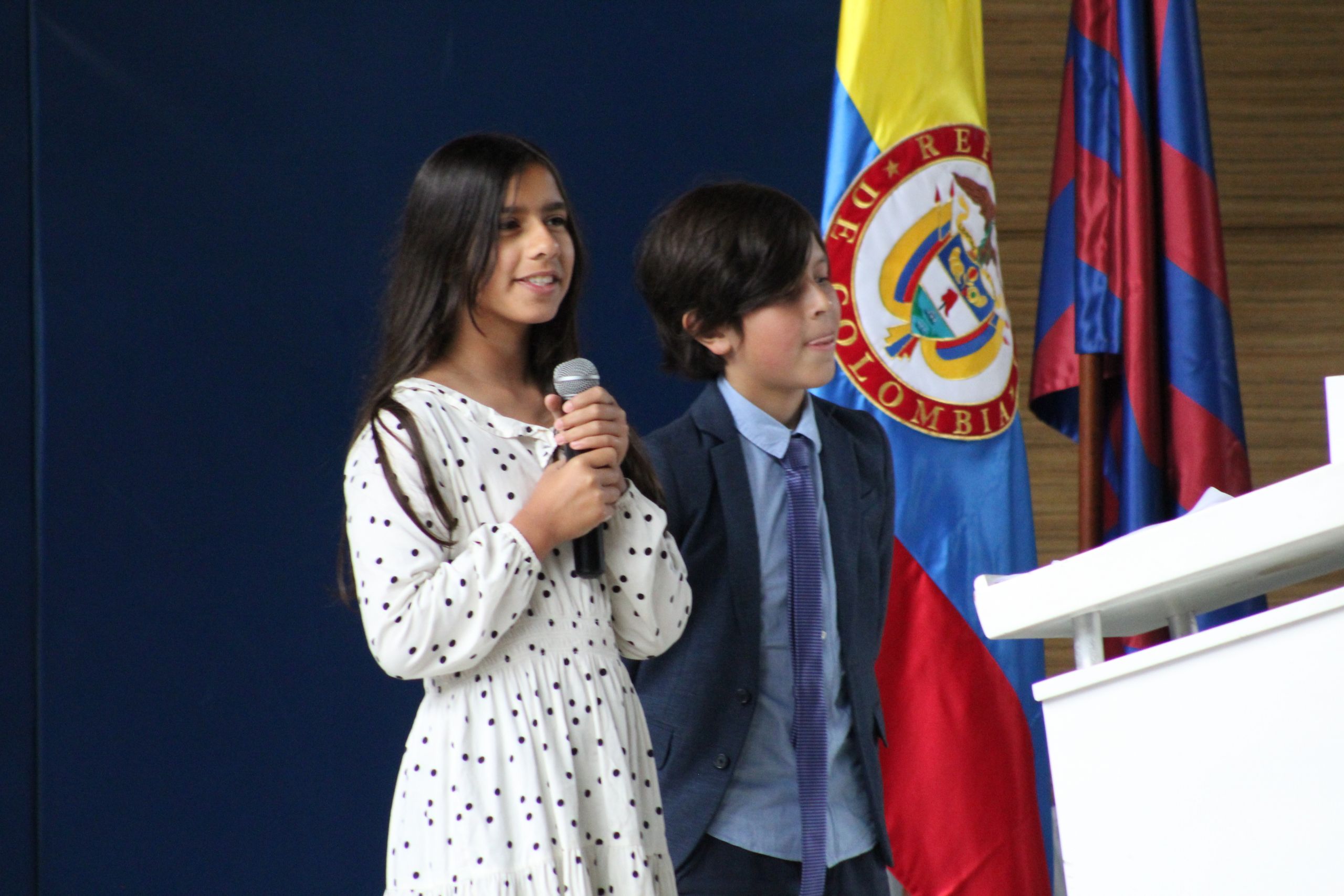
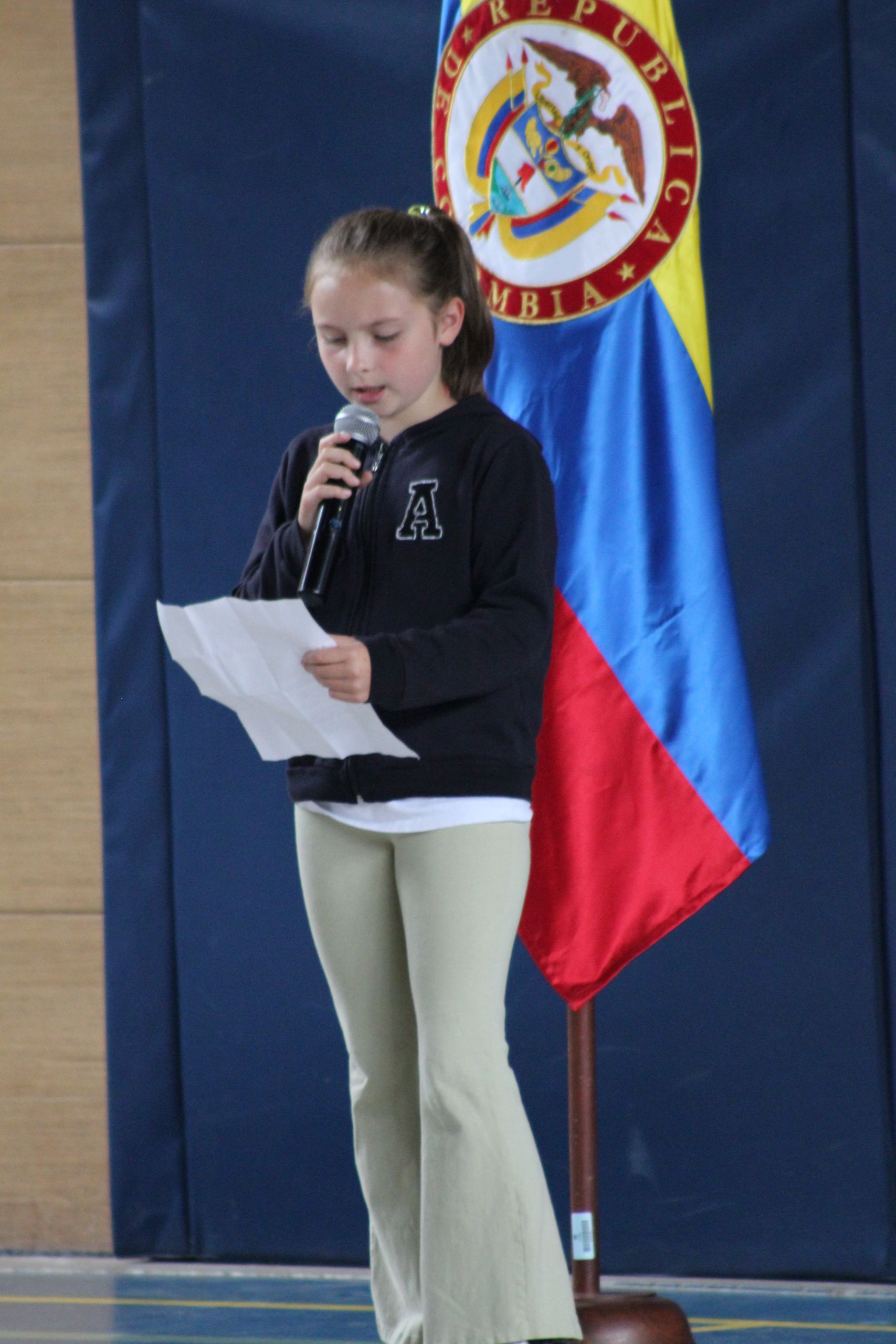
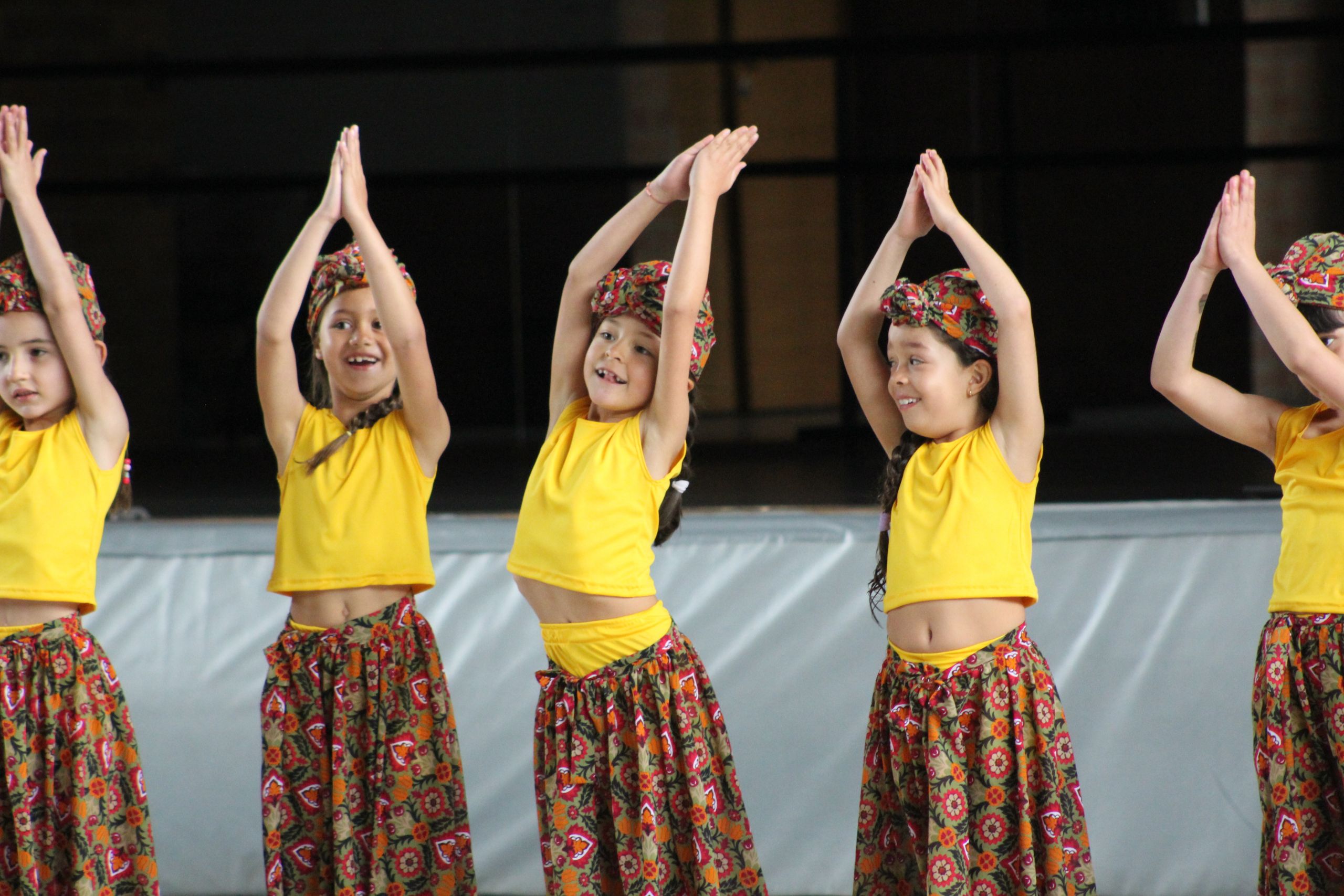
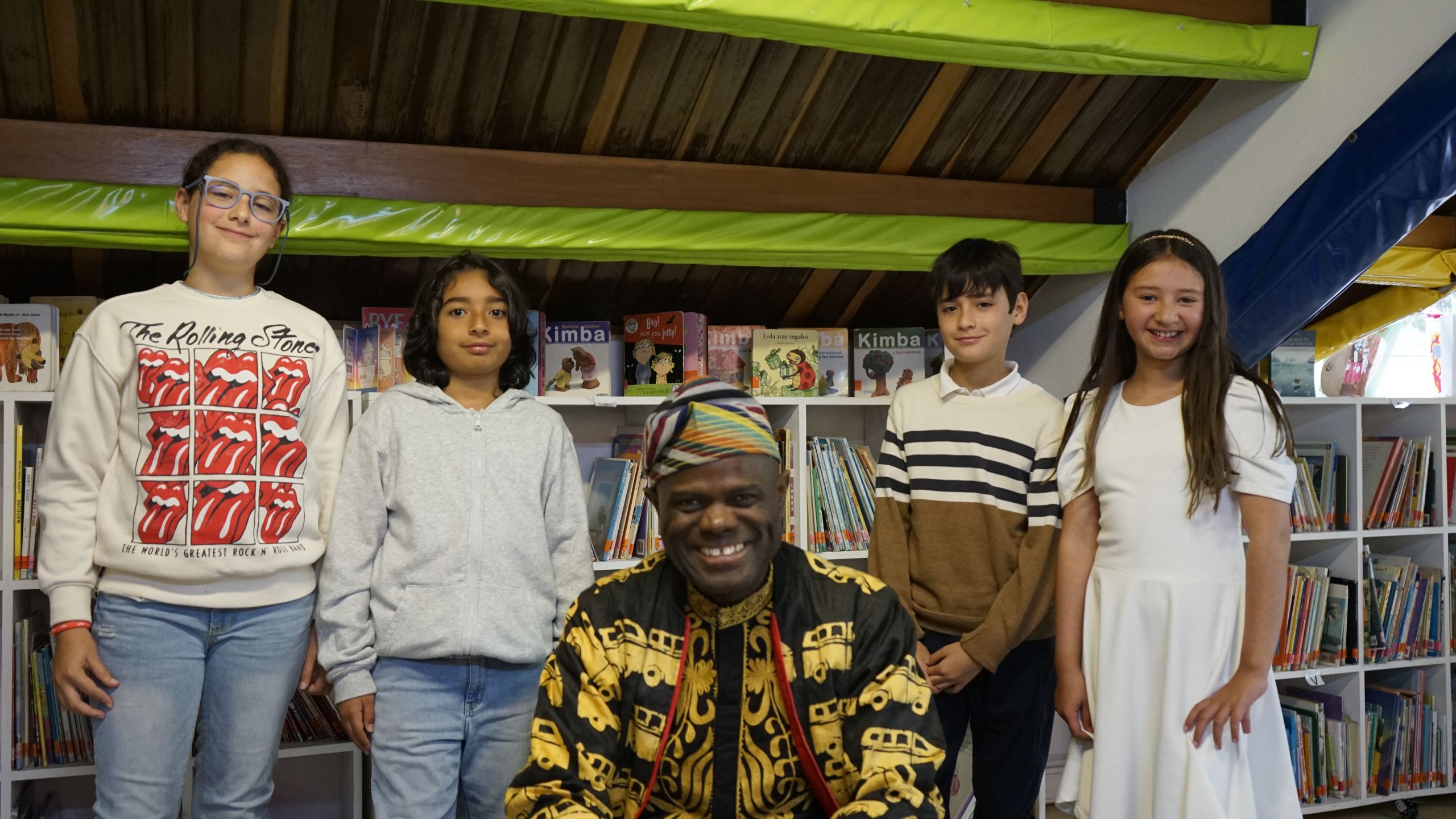
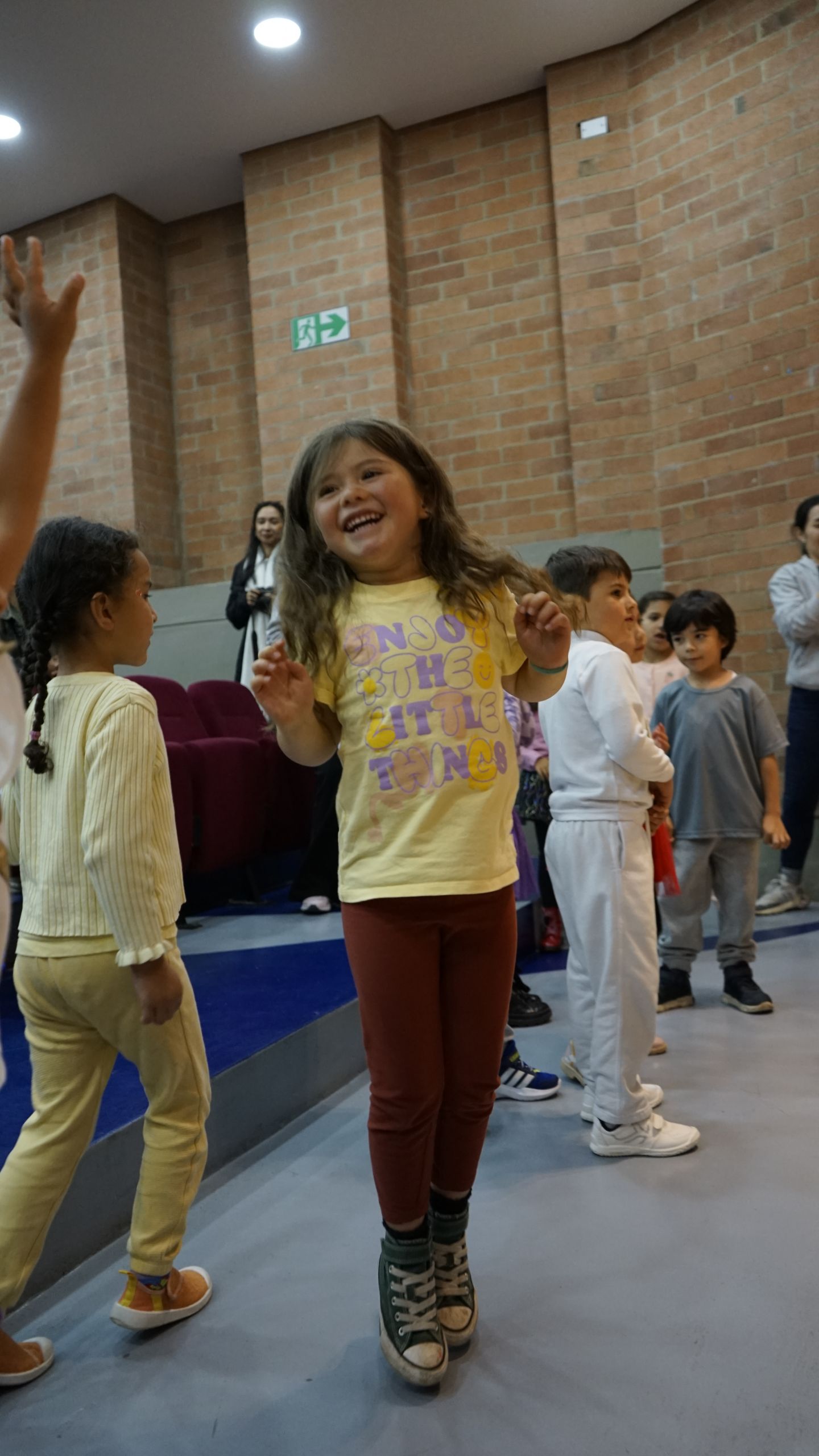
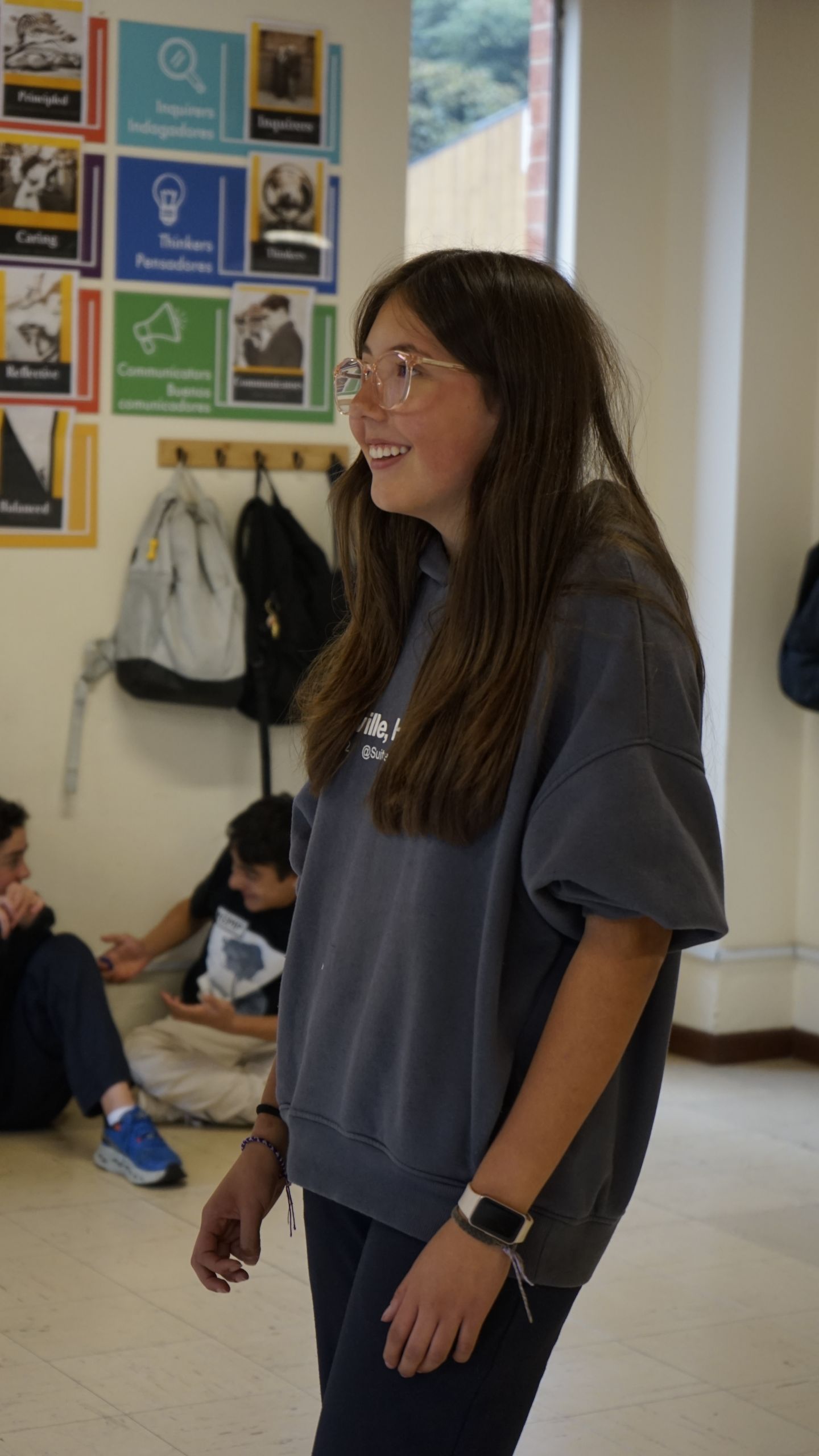
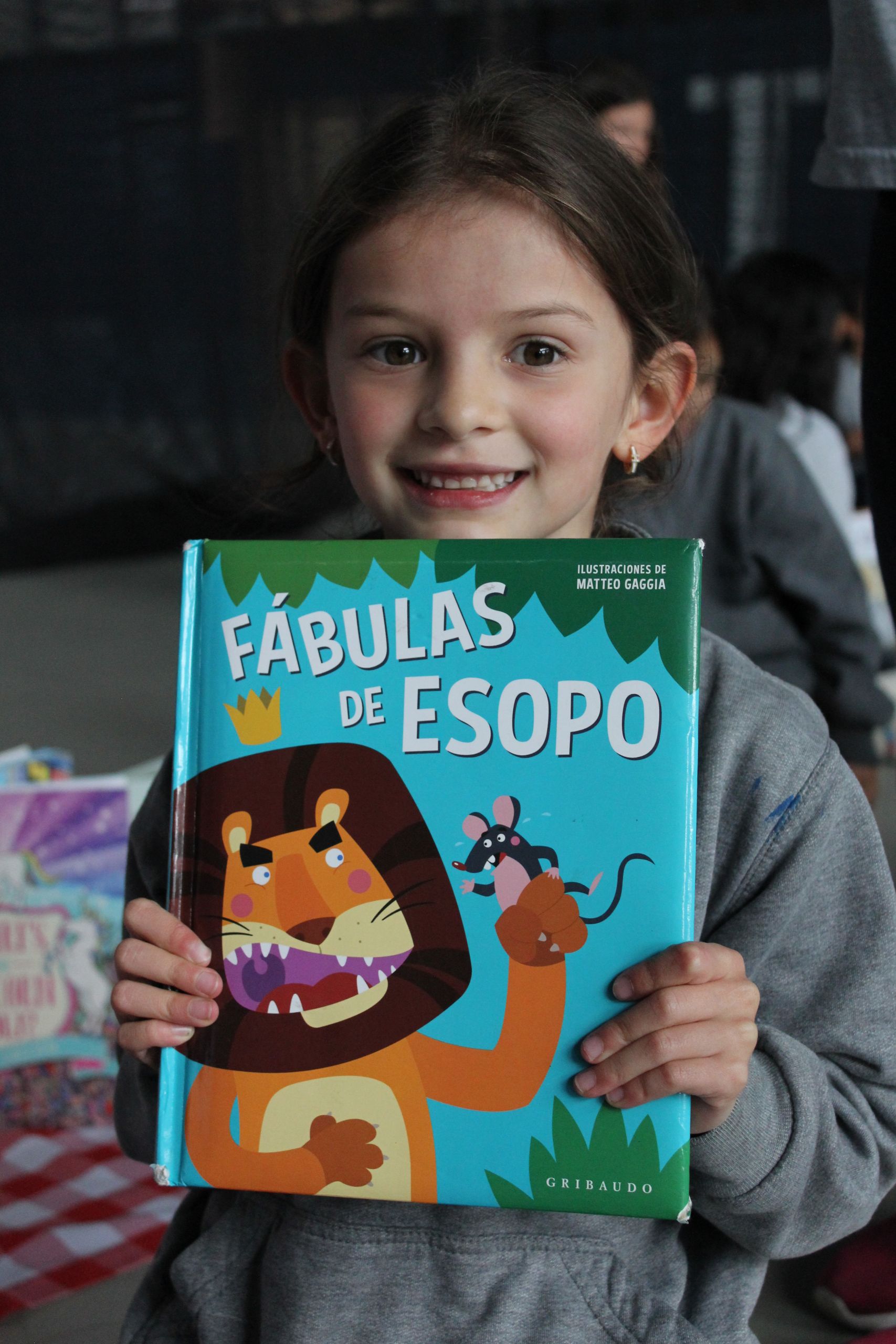
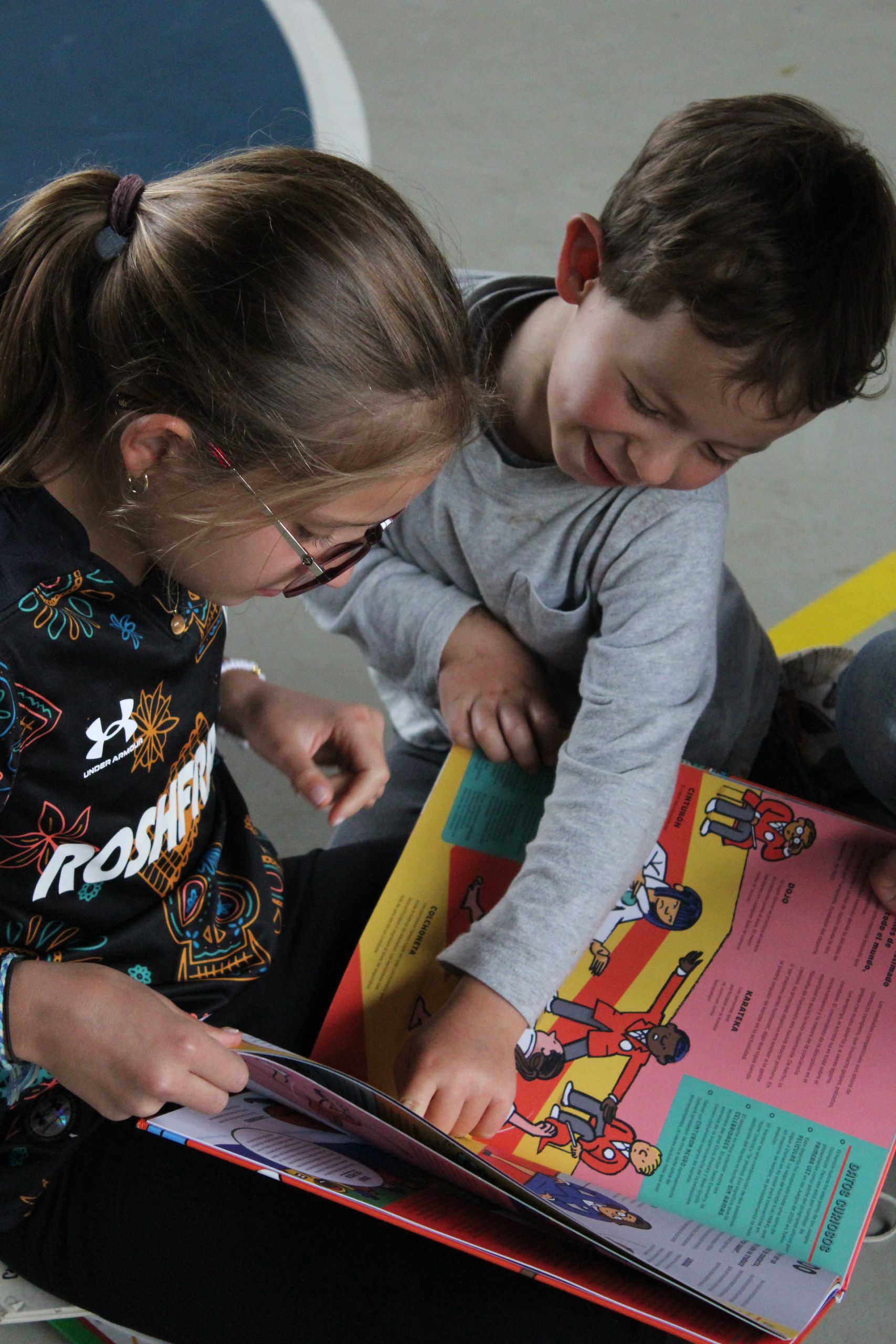
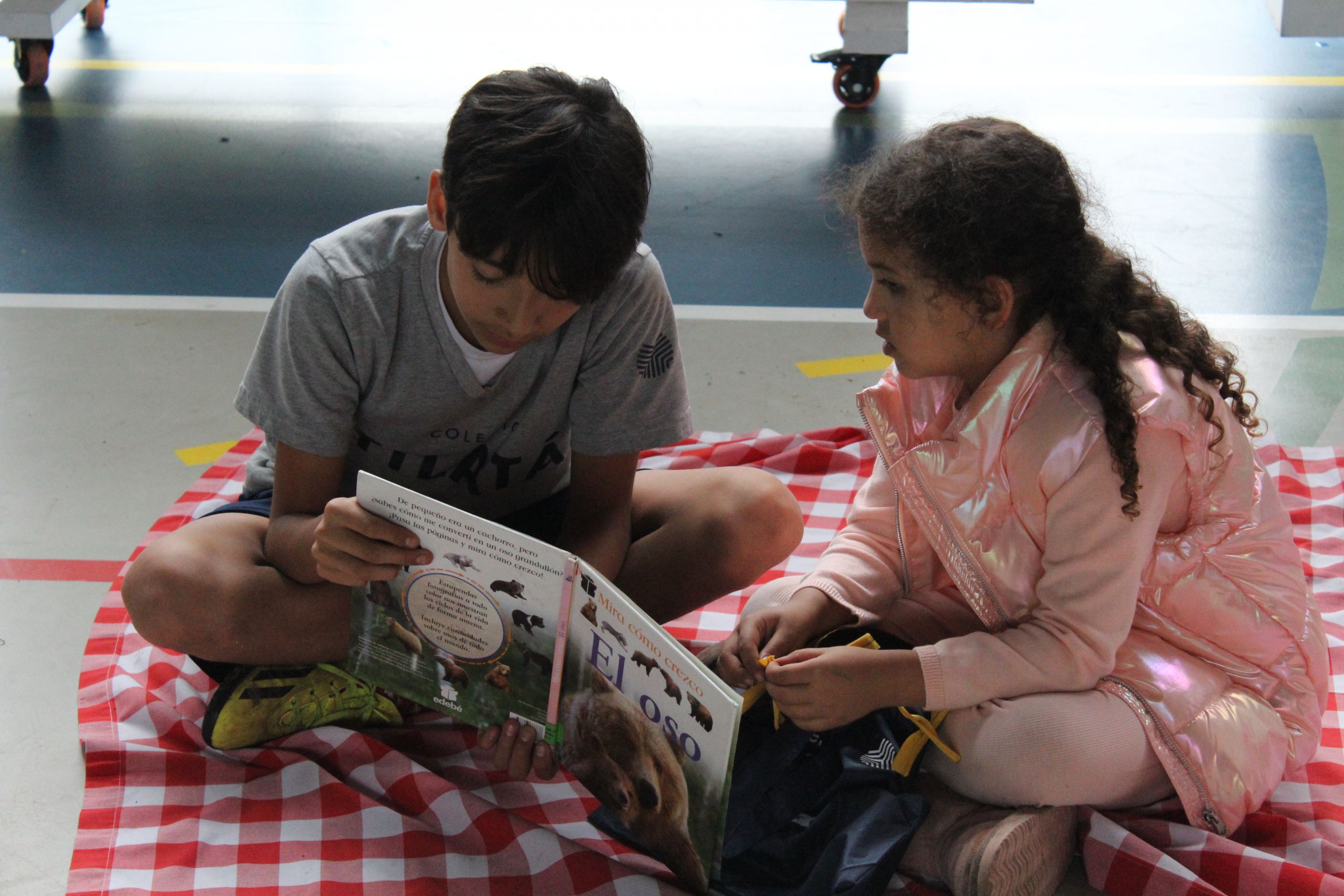
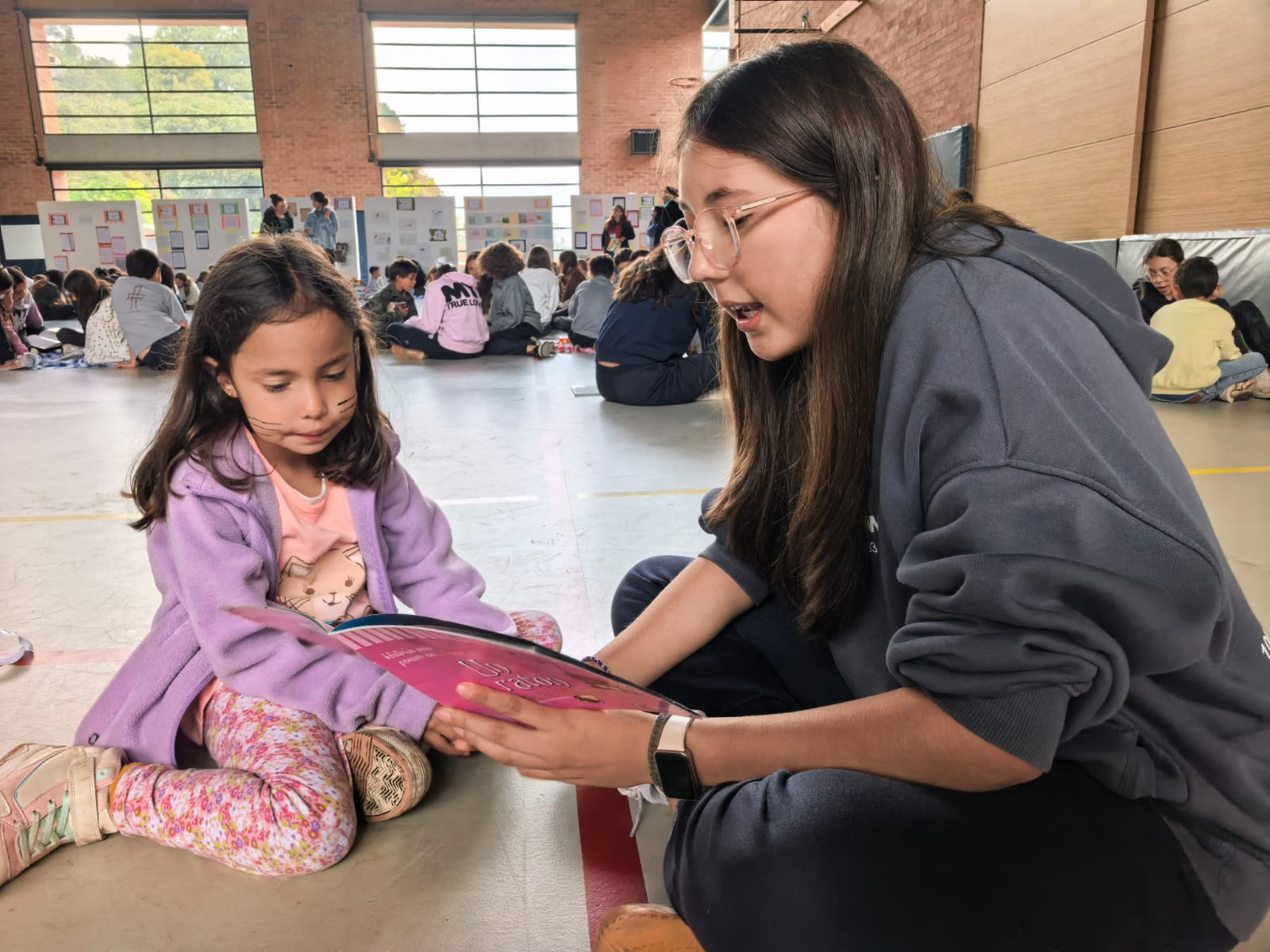
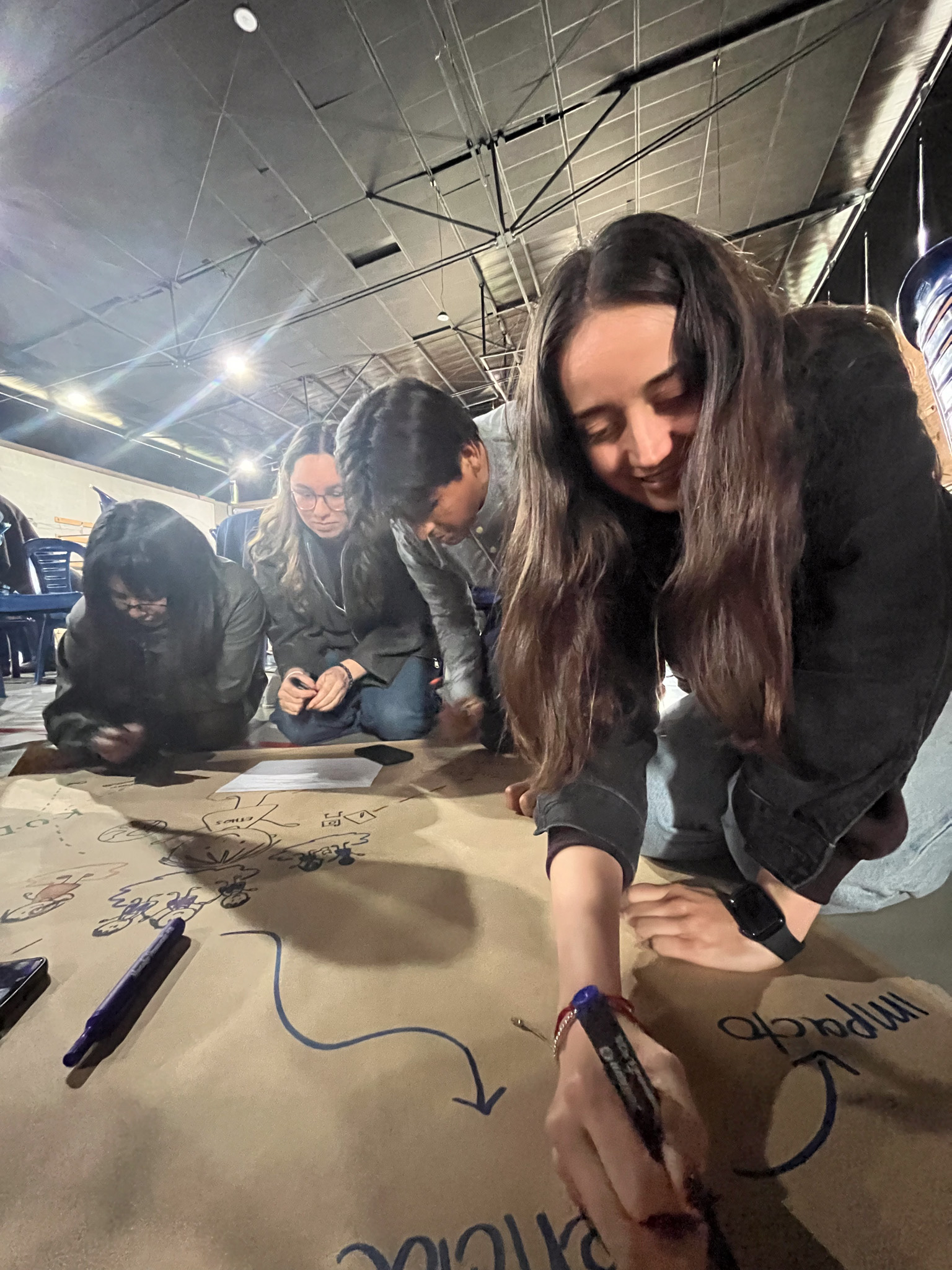
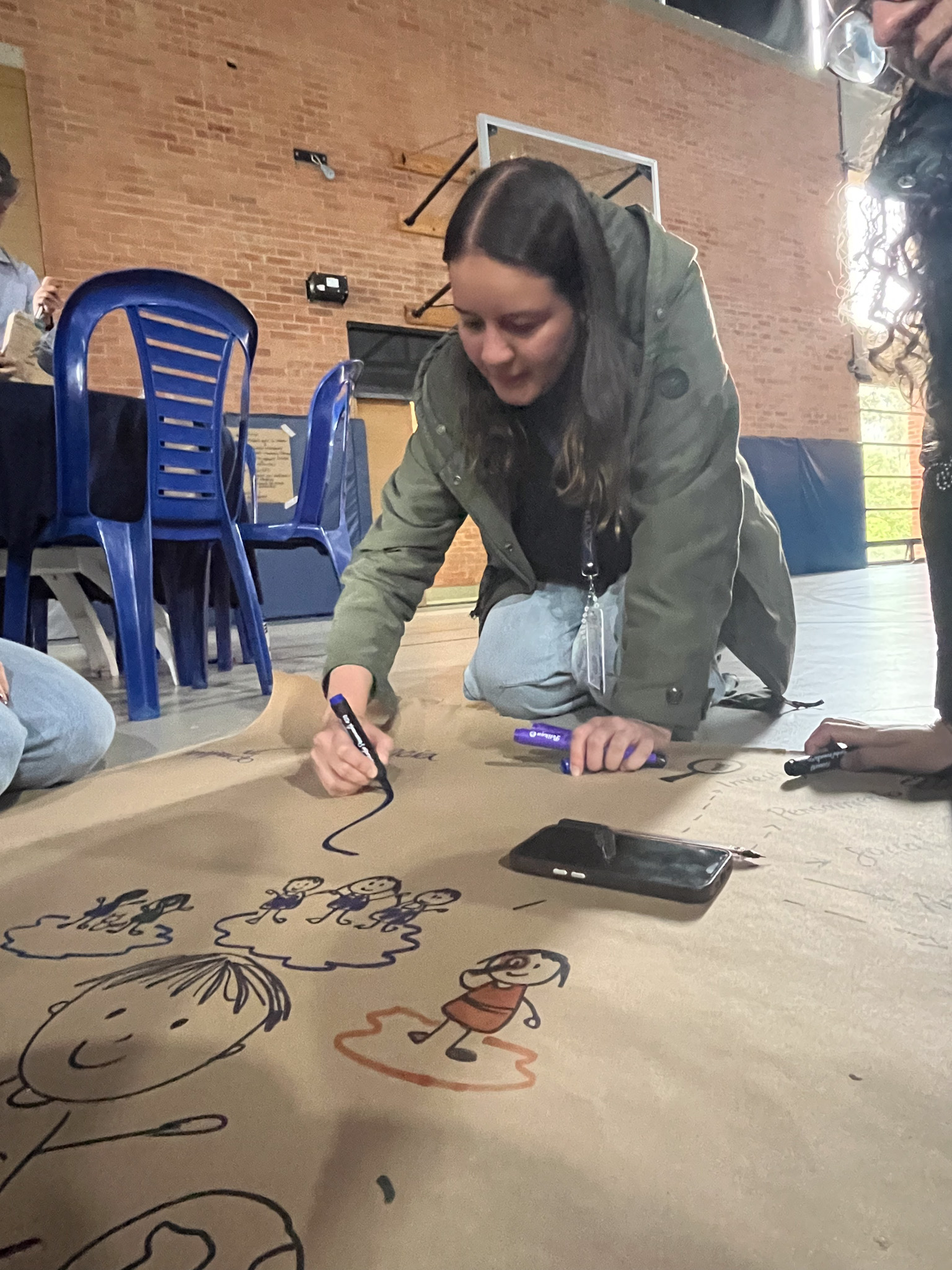
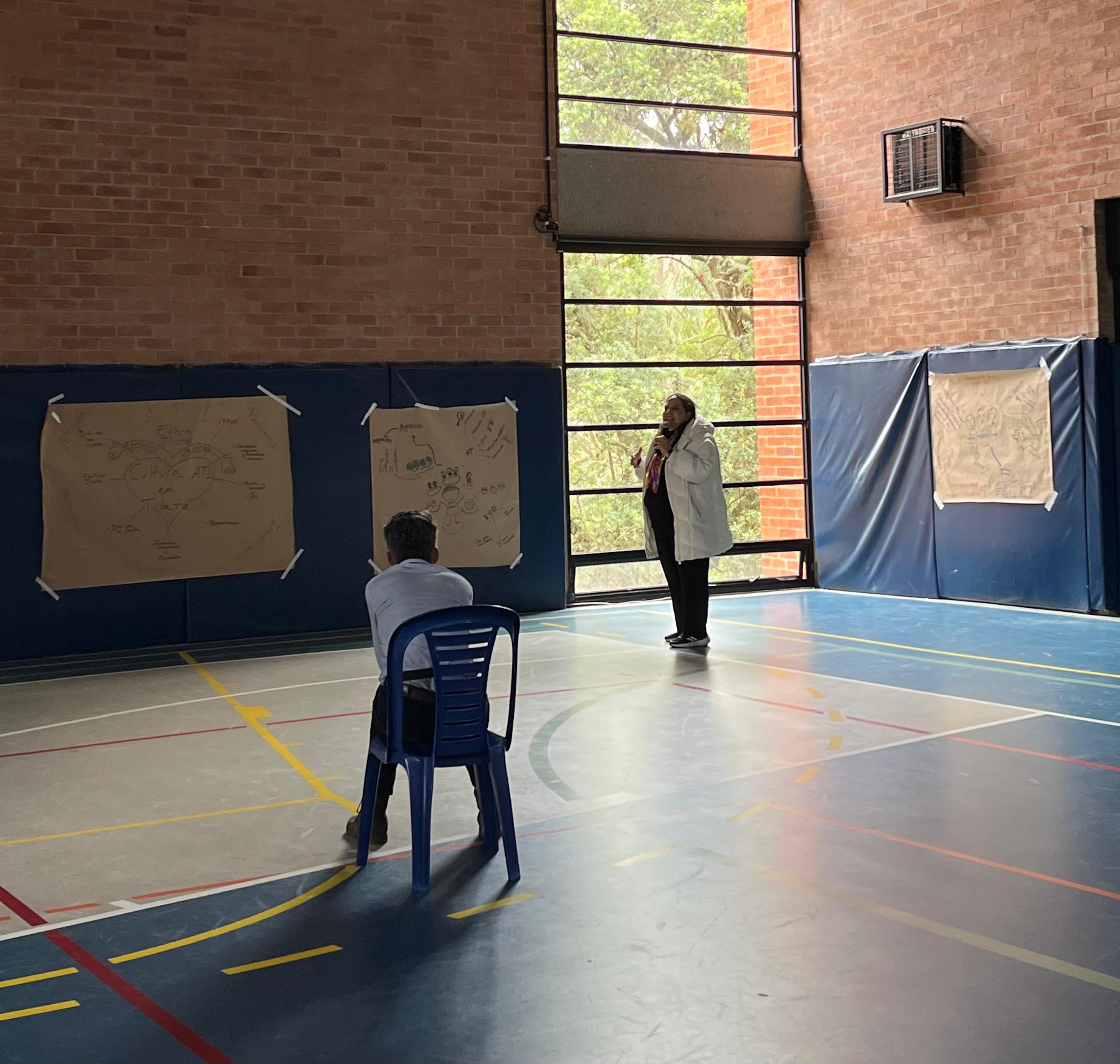
La semana pasada celebramos el Día del Idioma en Tilatá y nos dejó una galería de recuerdos y reflexiones que trascienden el día en sí. Los dejamos con las palabras de apertura de Deissy Alayón, coordinadora del área de Lenguas.
Dear directors, colleagues, students, and members of our community,
I would like to share a few ideas with you on the occasion of our Language Day.
What are words? What are they made of? Scientists claim that words are the result of a simple organic process involving air, breathing, vibrations, and sound. That certainly makes sense—but it is not the kind of meaning I would like to highlight today. If we go further, we could say that words are made up of phonemes, morphemes, and other complex structures that adults have identified to explain how language works.
However, when I listen to others, I am convinced that words are made of something simpler: vowels and consonants coming together to give life to the words we use every single day to express our deepest feelings, ideas, and thoughts.
Spoken words are our most important connection to life. For instance, when a baby is in their mother’s womb, their first connection to the outside world comes through her voice, which begins to tell the story of the world awaiting them. Mothers are the first storytellers we ever hear.
On the other hand, we know the history of humanity thanks to oral traditions that have been passed down from generation to generation for thousands of years. In this way, we come to understand who we are by listening to stories that connect us with our origins.
It is precisely around the value of orality that we wish to reflect on this Language Day. We will encounter stories that come to us from Africa, shared through song, drums, and voice—ancestral narratives from a continent that may still be unfamiliar to many of us. We will reconnect with our childhood through our preschool students and their song Down by the Bay, and we will recreate the voices that once accompanied us to sleep through a reading that feels like an embrace, a gentle touch, and love.
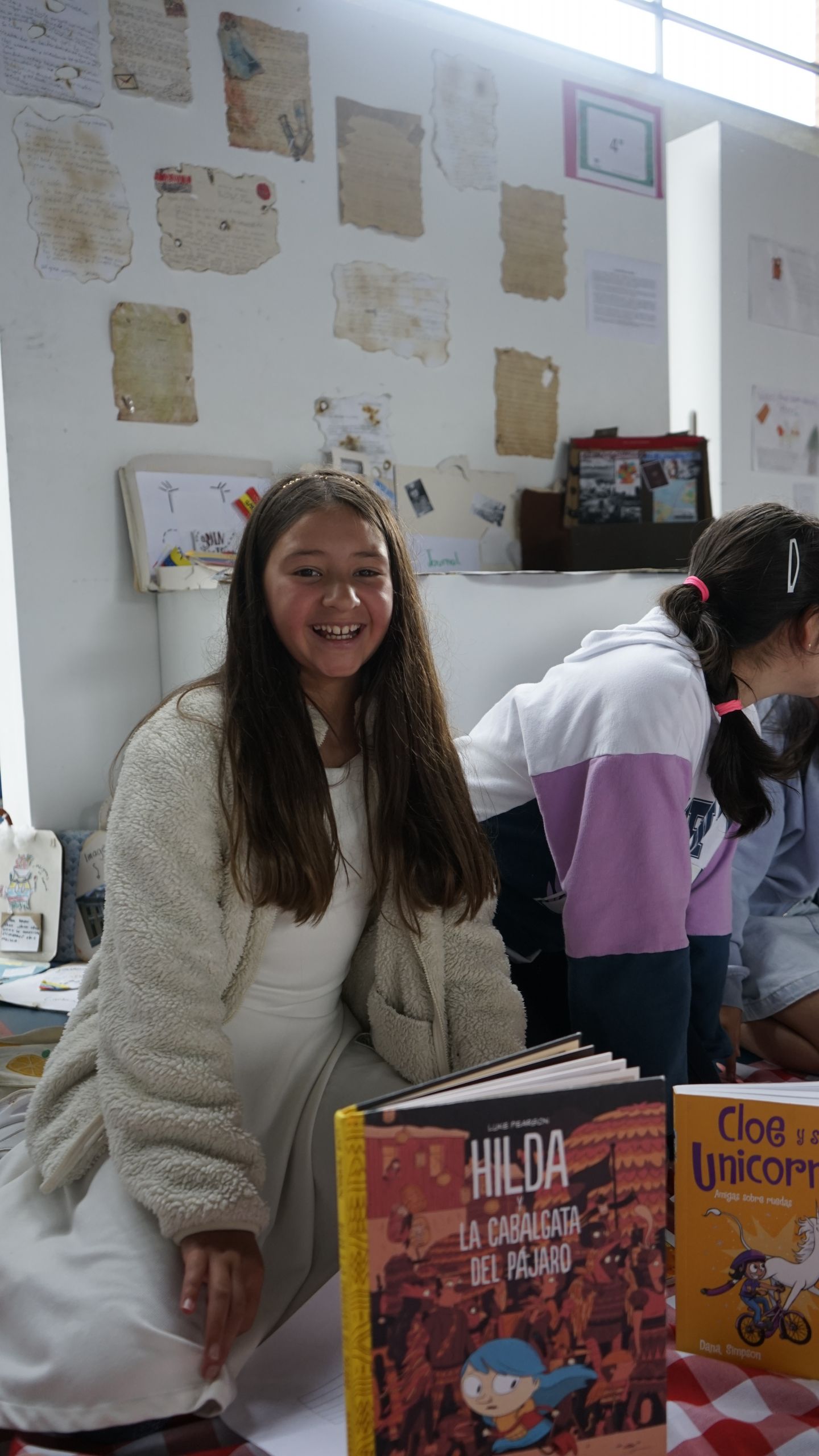
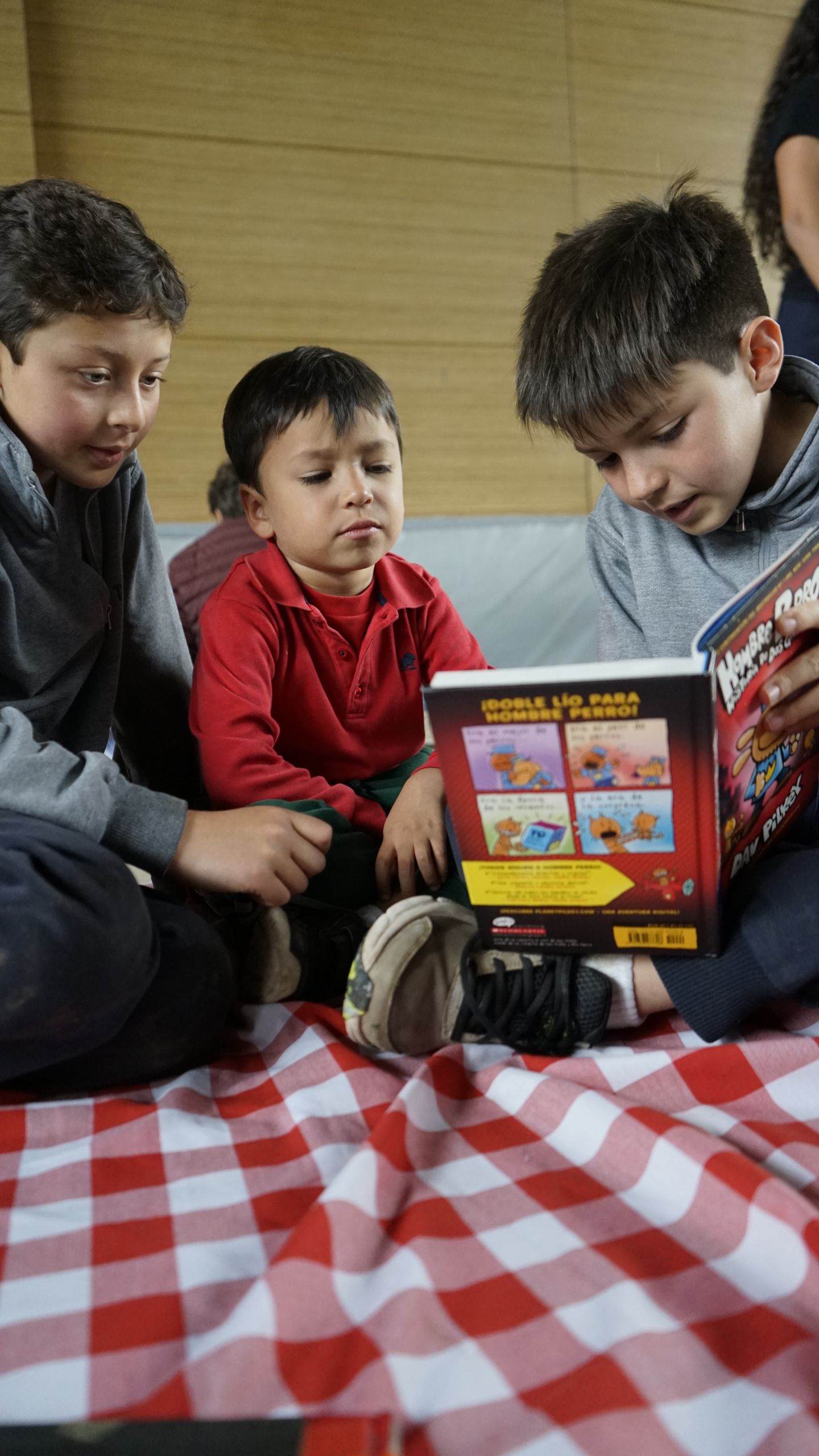
At the end of the day, we will gather with new friends through books in our literary picnic, so we will be a community built by the power of reading aloud.
Today, we are brought together by oral storytelling: that first voice of babbling we produced in our early years, which connected us to something sacred. And today, it also invites us to reflect on the value we give to words in our present time.
Finally, I would like to express my sincere gratitude to the Languages Department, whose commitment, dedication, and hard work have made this day possible.
Thank you for your efforts and for reminding us, through every detail, of the value of words, of voice, and of the stories that bring us together.
We hope you all truly enjoy this day, allow yourselves to be carried by words, and find in them new ways of connection, learning, and meaning.

Tilatá te quiere, Tilatá te cuida: protocolo de tormentas
El clima cambia en nuestra montaña, las lluvias aparecen cuando menos lo esperamos y debemos estar listos para lo que se presente.
Es por esto, que contamos con un protocolo de tormentas que damos vida entre todos y que hoy les recordamos:
Activación de alarma de rayos.
Buscar resguardo inmediato o quedarse en el lugar en el que se encuentre hasta nueva orden.
Levantamiento de la alarma de rayos.
La seguridad de nuestra comunidad es nuestra prioridad.
Por favor, reforzar en casa este mensaje.
Para conocer el plan a detalle
Picnic literario primaria
Este viernes 24 de abril nos reuniremos con los estudiantes de 1°, 2°, 3°, 4° y 5° para celebrar la lectura en nuestro picnic literario, les pedimos su ayuda motivando a los estudiantes para que traigan su libro o cuento favorito. Nos vemos este viernes a cielo abierto con historias, palabras y amigos.
Hora: de 9:15 a.m. a 10:00 a.m.
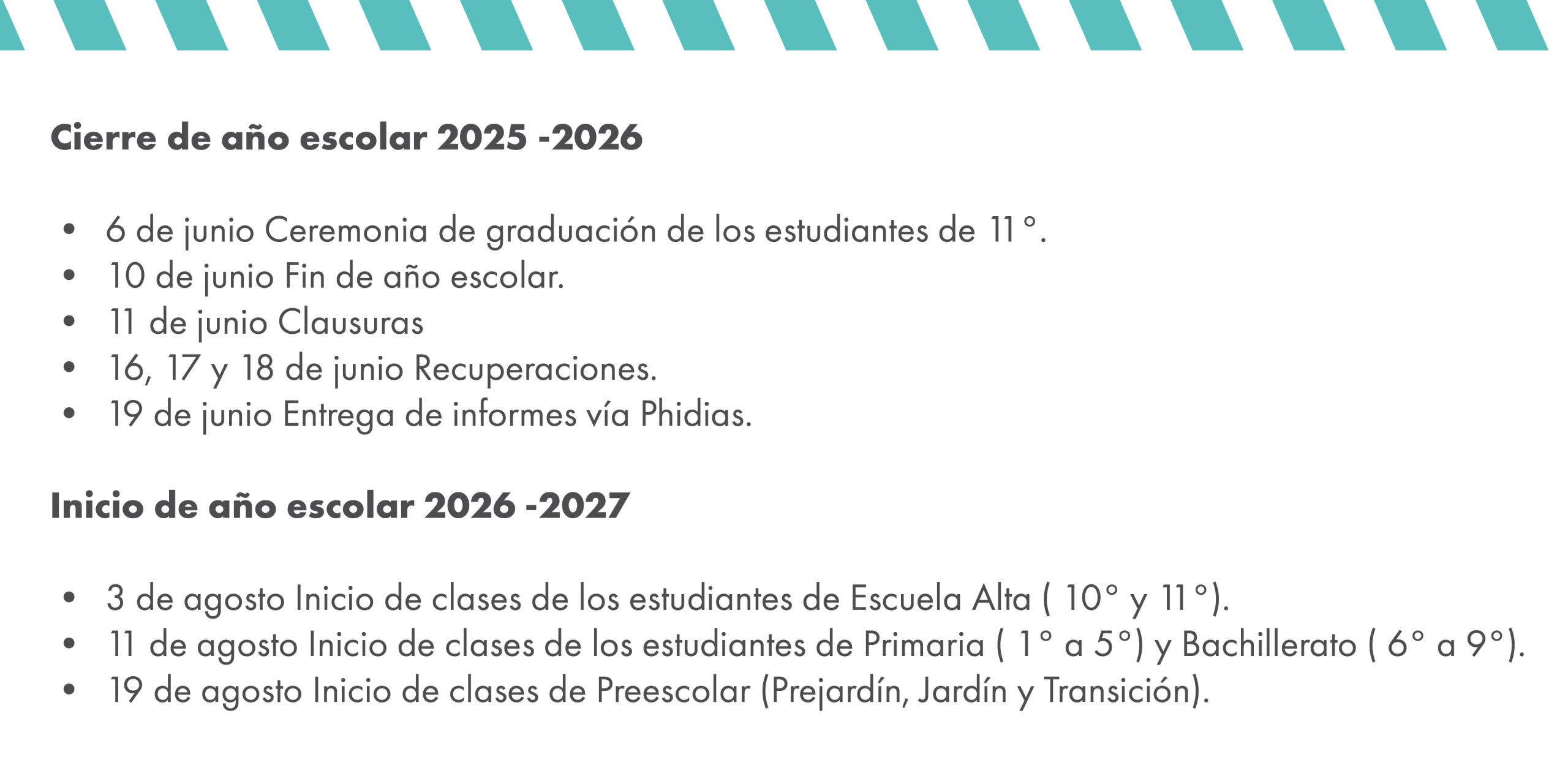
Fechas de cierre
A continuación, compartimos con ustedes las fechas claves de nuestro cierre de año y las del inicio del año escolar entrante, para que puedan organizarse con anticipación.
Cierre de año escolar 2025 -2026
- 6 de junio Ceremonia de graduación de los estudiantes de 11°.
- 10 de junio Fin de año escolar.
- 11 de junio Clausuras
- 16, 17 y 18 de junio Recuperaciones.
- 19 de junio Entrega de informes vía Phidias.
Inicio de año escolar 2026 -2027
- 3 de agosto Inicio de clases de los estudiantes de Escuela Alta ( 10° y 11°).
- 11 de agosto Inicio de clases de los estudiantes de Primaria ( 1° a 5°) y Bachillerato ( 6° a 9°).
- 19 de agosto Inicio de clases de Preescolar (Prejardín, Jardín y Transición).
¡Cafecitos Tilateños!
Esta semana estaremos esperando a las familias de 8°, 9°, 10° y 11°
Lugar: Cafetería
Hora: 7:00 a.m. a 8:15 a.m.
Agéndate, no lo dejes pasar.
Esta es una oportunidad para construir juntos la mejor versión de tus hijos y una mejor versión del mundo.
20 de abril – 8°
21 de Abril – 9°
22 de Abril – 10°
23 de Abril – 11°
¡Stop! Antes de botarlo a la basura, tráelo al colegio
¡Stop! antes de botarlo a la basura, tráelo al colegio.
Necesitamos:
Tubos de cartón de papel higiénico y cocina – Cajas de cereal – CD ‘s -Botones – Disquetes- Cajas de cartón de todos los tamaños. – Cartones de huevos – Revistas – Retazos de tela.
¡Ayúdanos a darles una segunda oportunidad!
Lugar de entrega: En la oficina que queda al lado de la tienda Balú y la cancha de fútbol.
¿Quién lo recibe? Pata (María Delgado).
Salidas Pedagógicas
-
Viernes 24 de abril
Todos los estudiantes de la sección de preescolar, realizarán una visita al Teatro de la Gobernación de Cundinamarca, para ver la obra “La Isla de los Monstruos” basada en la novela de Maurice Sendak. Esta salida pedagógica tiene como propósito continuar afianzando las comprensiones desarrolladas por los estudiantes de preescolar en la unidad de indagación Cómo nos expresamos, y fortalecer sus habilidades de interpretación al observar, escuchar y dar sentido a imágenes, sonidos y movimientos, comprendiendo cómo estos se combinan para expresar ideas y emociones. Saliendo de Tilatá a las 9:30 a.m. Finalización evento: 12:00 p.m.
Encuentros Deportivos
UNCOLI
- Lunes 20 de abril
Nuestro grupo de representación de Voley Infantil Femenino, jugará en el Colegio Campoalegre. Saliendo de Tilatá 2:00 p.m. Finalización encuentro: 5:00 p.m.
- Jueves 23 de abril
Nuestro grupo de representación de Gimnasia, participará en el Colegio Andino. Inicio actividad 11:00 a.m. Finalización 3:00 p.m.
ASOCOLDEP
- Miércoles 22 de abril
Nuestro grupo de representación de Fútbol Preinfantil Masculino, jugará en el Colegio Gimnasio Vermont. Saliendo de Tilatá 2:00 p.m. Finalización: 5:30 p.m.
ACCBI
- 23, 24 y 25 de abril
Nuestros grupos de representación de Fútbol Masculino y Voley Femenino, asistirán a la Copa ACCBI en The English School. Inicio actividad 8:00 a.m. Finalización 5:00 p.m.
AMISTOSO
- Miércoles 22 de abril
Nuestro grupo de representación de Baloncesto Femenino y Masculino, jugará un partido amistoso en el Colegio San Bartolomé. Saliendo de Tilatá a las 3:00 p.m. Finalización encuentro: 5:30 p.m.
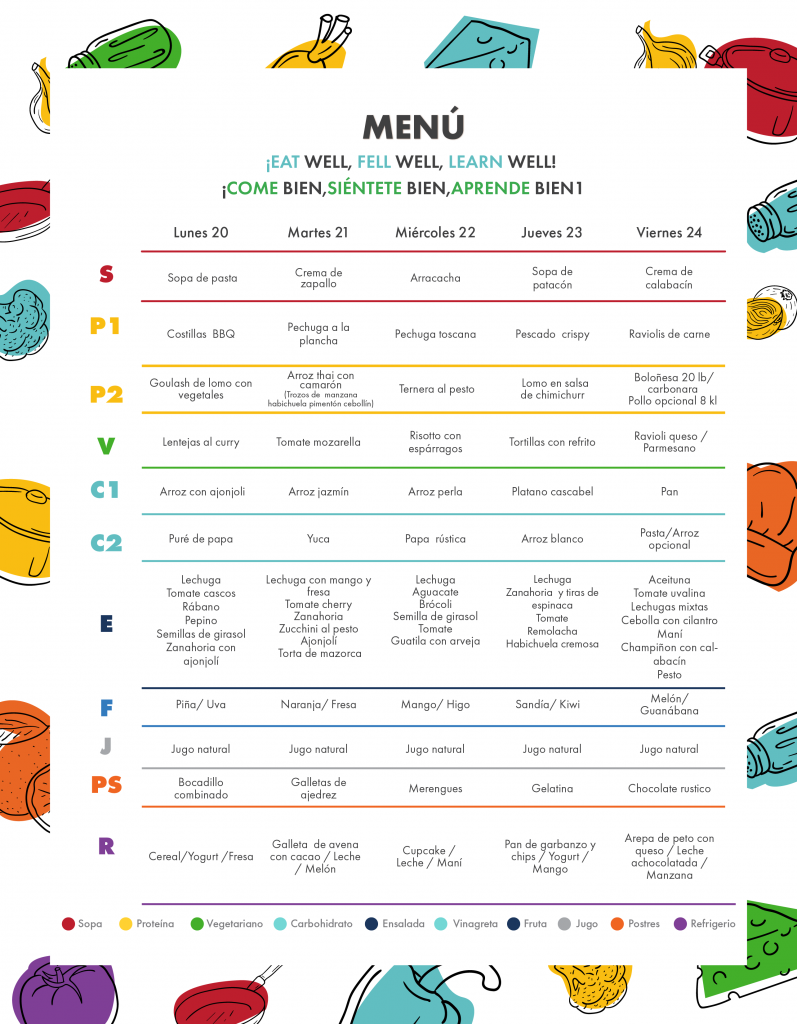
Menú – 20 al 24 de abril
Expediciones – 9°
Esta semana los estudiantes de 9° parten a una inmersión oceánica
20 al 24 de abril
9°
Isla Fuerte
Una aventura para conocer los ecosistemas del océano desde kayak y snorkel, aprenderemos la restauración y siembra de corales, disfrutaremos del baile y las artesanías. Una aventura de inmersión!
Así vivimos…
La semana pasada celebramos el Día del Idioma en Tilatá y nos dejó una galería de recuerdos y reflexiones que trascienden el día en sí. Los dejamos con las palabras de apertura de Deissy Alayón, coordinadora del área de Lenguas:
Dear directors, colleagues, students, and members of our community,
I would like to share a few ideas with you on the occasion of our Language Day.
What are words? What are they made of? Scientists claim that words are the result of a simple organic process involving air, breathing, vibrations, and sound. That certainly makes sense—but it is not the kind of meaning I would like to highlight today. If we go further, we could say that words are made up of phonemes, morphemes, and other complex structures that adults have identified to explain how language works.
However, when I listen to others, I am convinced that words are made of something simpler: vowels and consonants coming together to give life to the words we use every single day to express our deepest feelings, ideas, and thoughts.
Spoken words are our most important connection to life. For instance, when a baby is in their mother’s womb, their first connection to the outside world comes through her voice, which begins to tell the story of the world awaiting them. Mothers are the first storytellers we ever hear.
On the other hand, we know the history of humanity thanks to oral traditions that have been passed down from generation to generation for thousands of years. In this way, we come to understand who we are by listening to stories that connect us with our origins.
It is precisely around the value of orality that we wish to reflect on this Language Day. We will encounter stories that come to us from Africa, shared through song, drums, and voice—ancestral narratives from a continent that may still be unfamiliar to many of us. We will reconnect with our childhood through our preschool students and their song Down by the Bay, and we will recreate the voices that once accompanied us to sleep through a reading that feels like an embrace, a gentle touch, and love.
At the end of the day, we will gather with new friends through books in our literary picnic, so we will be a community built by the power of reading aloud.
Today, we are brought together by oral storytelling: that first voice of babbling we produced in our early years, which connected us to something sacred. And today, it also invites us to reflect on the value we give to words in our present time.
Finally, I would like to express my sincere gratitude to the Languages Department, whose commitment, dedication, and hard work have made this day possible.
Thank you for your efforts and for reminding us, through every detail, of the value of words, of voice, and of the stories that bring us together.
We hope you all truly enjoy this day, allow yourselves to be carried by words, and find in them new ways of connection, learning, and meaning.

En esta conversación de El Pensatorio con Diego Ospina Castro reflexionamos sobre el valor de la educación experiencial, el miedo de los adultos a soltar, y la importancia de dar a los niños algo más valioso que todas las respuestas: confianza para aprender a resolver la vida.
Una conversación sobre naturaleza, riesgo, menos pantallas, crianza y el desafío de acompañar a las nuevas generaciones.
Síguenos y únete a la conversación en:


En esta conversación de El Pensatorio con Diego Ospina Castro reflexionamos sobre el valor de la educación experiencial, el miedo de los adultos a soltar, y la importancia de dar a los niños algo más valioso que todas las respuestas: confianza para aprender a resolver la vida.
Una conversación sobre naturaleza, riesgo, menos pantallas, crianza y el desafío de acompañar a las nuevas generaciones.